HOTLINE:
(86)400-618-2450

Researchers at Cornell University have developed an innovative porous crystal. This crystal combines the macrocycle and molecular cage structures and features one-dimensional nanochannels. It can significantly improve the efficiency of lithium ion transport in solid-state batteries and enhance electrical conductivity, and is expected to provide a safer battery solution. The related research results were published in the Journal of the American Chemical Society. The first author is Yu-Zhe Wang (transliteration), and the project was led by Yu Zhong (transliteration).
Yu Zhong has always been concerned about methods to improve the safety of lithium-ion batteries. Traditional liquid electrolytes pose risks. Although solid-state batteries are stable, efficient ion flow remains a challenge. Yu-Zhe Wang combined macrocycles and molecular cages and formed a three-dimensional network structure through specific connections, enabling the product to achieve a high level of ionic conductivity.
The research team also cooperated with experts to analyze the material's properties in order to understand the reasons why it is conducive to ion transport. In addition, apart from being applied to improve lithium-ion batteries, this new type of crystal also has potential application value in fields such as water purification, bioelectronics, and the development of hybrid ion/electron transport media. The team is also exploring more molecular combination methods, hoping to bring revolutionary changes to multiple high-tech fields.

In Chapter 38.3, the main changes of the new version are as follows:
Add test clauses for sodium-ion batteries;
Modify the test requirements for integrated battery packs:
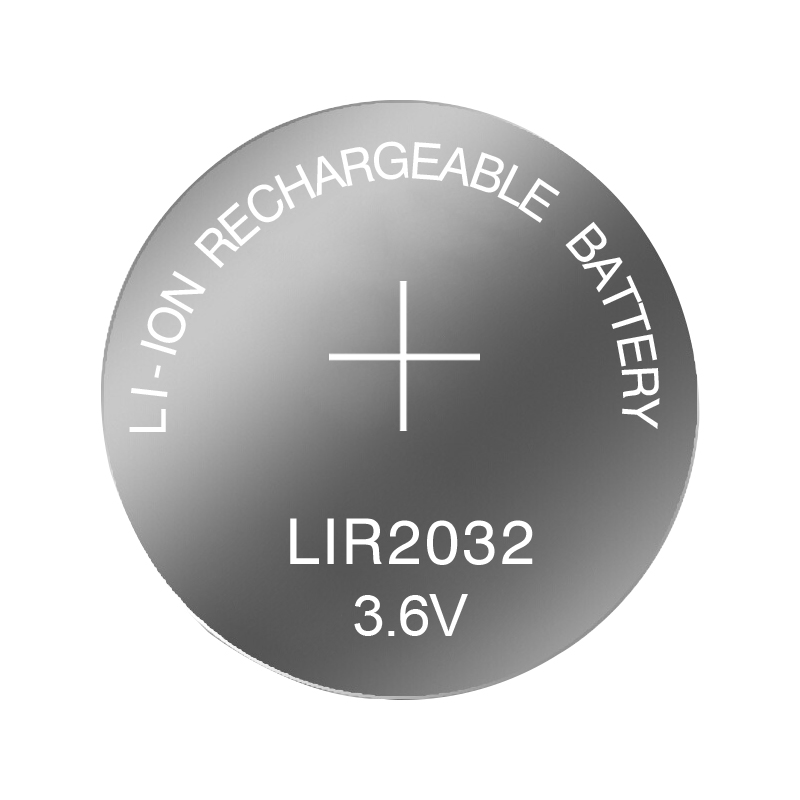
In the process of product development and design, precautions need to be taken when designing rechargeable battery protection circuits:�
Accurate voltage detection, current detection accu
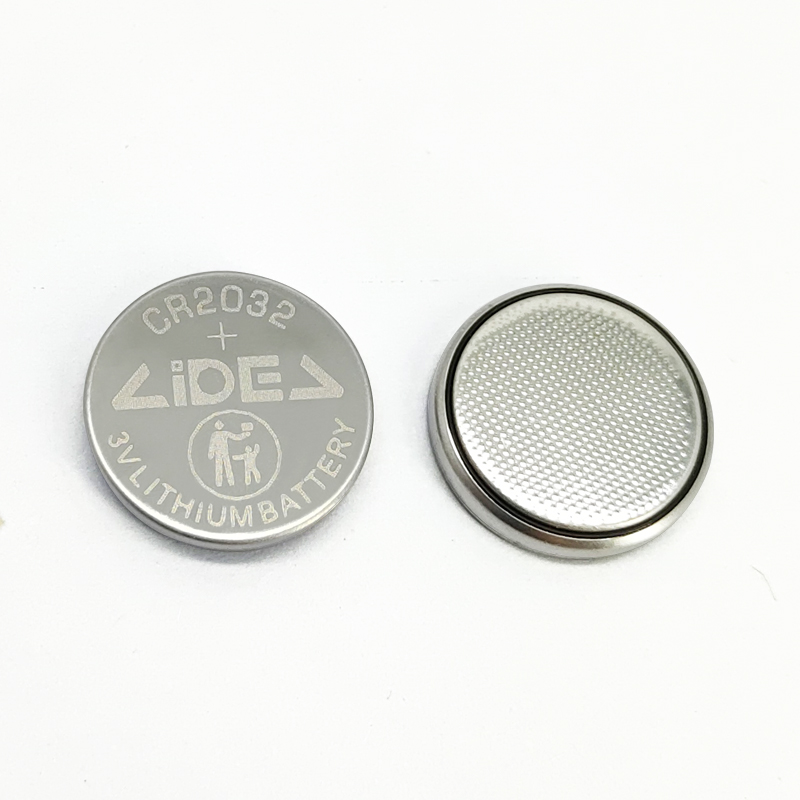
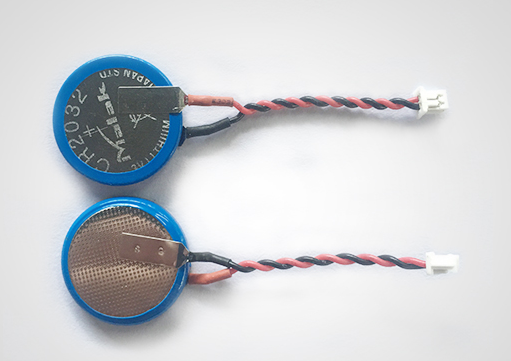
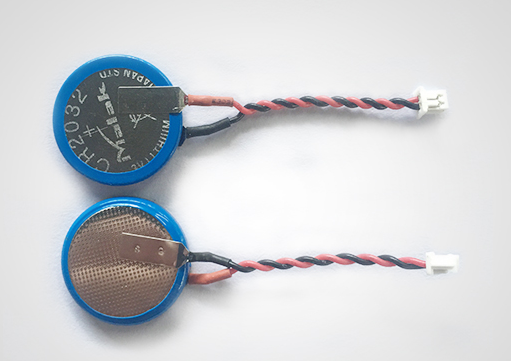
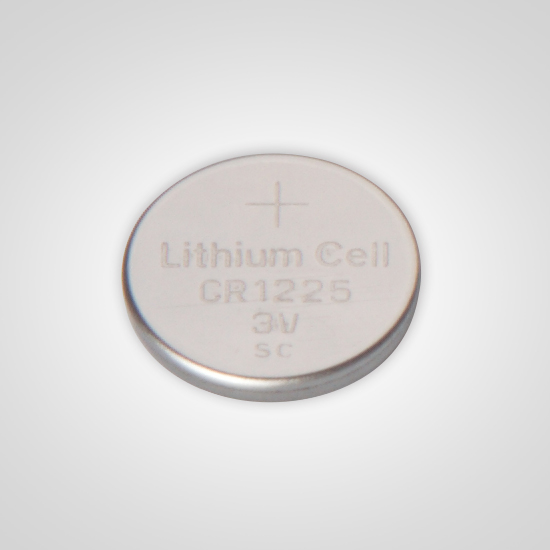
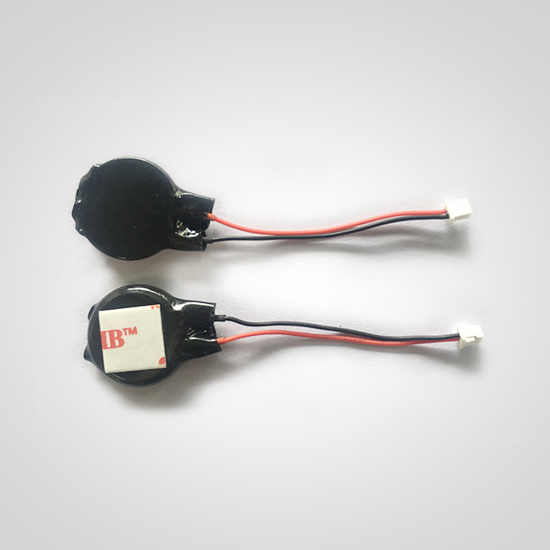
UL4200A,16 CFR,GCA,BUTTON CELL,COIN CELL